
Social courage

Why Social Courage Matters

Social Courage

Social courage is the willingness to act in situations where there’s a risk of judgement, rejection or discomfort.

It shows up in everyday moments: starting a conversation, reaching out to someone new, speaking up in a meeting, asking a question or following up on an opportunity.

These actions are simple – but they’re often avoided. Not because people lack ability, but because they hesitate.

Social courage is what closes that gap. It’s the decision to act before you feel fully ready – and to let confidence follow.

Understanding Social Courage

Many people misunderstand social courage. They assume it’s the same as confidence, charisma or extroversion. It isn’t. Before exploring how social courage shapes our careers, relationships and opportunities, it’s important to understand both what it is and what it isn’t.

Understanding Social Courage

What is Social Courage?

Social courage is the willingness to act despite uncertainty, discomfort or fear of judgement. It shows up in everyday moments such as starting a conversation, reaching out to someone new, speaking up in a meeting, following up after an event, asking for help, sharing an idea or making a difficult phone call.

Why Social Courage Matters

Small moments of social courage often create big outcomes. A conversation started, a question asked or an opportunity pursued can change the direction of a career, strengthen a relationship or open a door that would otherwise have remained closed.

Why We Hesitate

Most people don't hesitate because they lack intelligence, talent or ambition. They hesitate because they're worried about rejection, embarrassment or getting things wrong. Those concerns are deeply human, but they often stop capable people from acting when it matters most.

Why Social Courage Changes Lives

Social courage is the bridge between knowing and doing. Every time you choose action over avoidance, you strengthen your confidence, expand your relationships and create opportunities that wouldn't otherwise exist. Over time, those small choices shape the direction of your life.

Social Courage Myths

Social courage is not confidence

Many people assume confident people take action. The reality is often the opposite. Confidence grows through action. The people who appear confident today are usually the same people who repeatedly acted before they felt ready. Confidence is the result of courage, not the prerequisite.

Social courage is not charisma

You don't need a big personality to be socially courageous. Social courage isn't about being persuasive, entertaining or naturally engaging. It's about being willing to act despite discomfort. Many socially courageous people are quiet, thoughtful and reserved.

Social Courage Is Not Fearlessness

Socially courageous people still experience fear, uncertainty and self-doubt. They don't act because those feelings disappear. They act anyway. Courage isn't the absence of fear; it's choosing not to let fear make the decision.

Social courage is not extroversion

Social courage has nothing to do with personality type. Introverts can be extraordinarily socially courageous, just as extroverts can avoid difficult conversations or opportunities. Social courage isn't about becoming more outgoing; it's about becoming more willing to act when it matters.

Why Social Courage Matters More Than Ever

Remote work has created flexibility and convenience. But it’s also reduced spontaneous human interaction. Many professionals now spend more time communicating through email, Slack and Zoom than face-to-face conversations. As a result, building relationships now requires more intentional effort.

Technology is becoming increasingly capable of producing information, analysis and content. As AI becomes more powerful, distinctly human skills become more valuable. Trust, connection, curiosity and initiative cannot be automated. They emerge through human interaction and the willingness to take social risks. As AI changes the nature of work, social courage becomes an increasingly valuable human advantage.

We live in a world overflowing with information and opinion. The challenge is no longer access to knowledge. It's knowing who to trust. Strong relationships help people navigate complexity, create opportunities and make better decisions. And relationships are built through small acts of social courage.

Many people know exactly what they should do – make the call, start the conversation, reach out, follow up. But instead, they wait. The problem is rarely knowledge. It's hesitation. And when hesitation becomes a habit, opportunities disappear.

Most people assume confidence leads to action. In reality, action usually comes first. Think about learning to drive. Before your first lesson, you probably felt nervous. You didn't become confident by thinking about driving. You became confident by driving. The same principle applies to social courage. Every conversation you start, every question you ask and every time you speak up teaches your brain that discomfort is manageable. Over time, what once felt intimidating becomes familiar. Confidence isn't where the journey begins. It's where repeated acts of courage eventually lead.

The 500 lunches

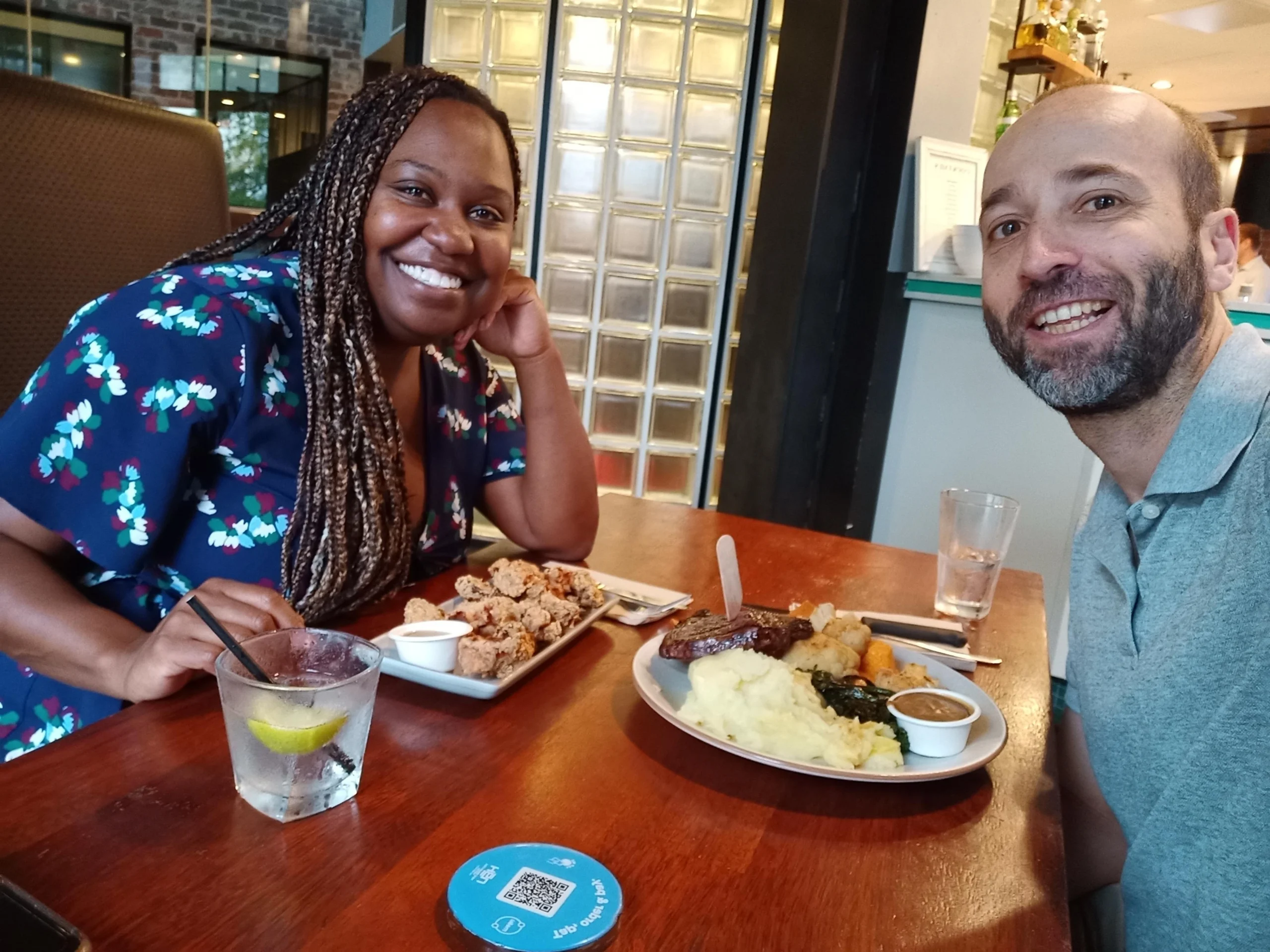
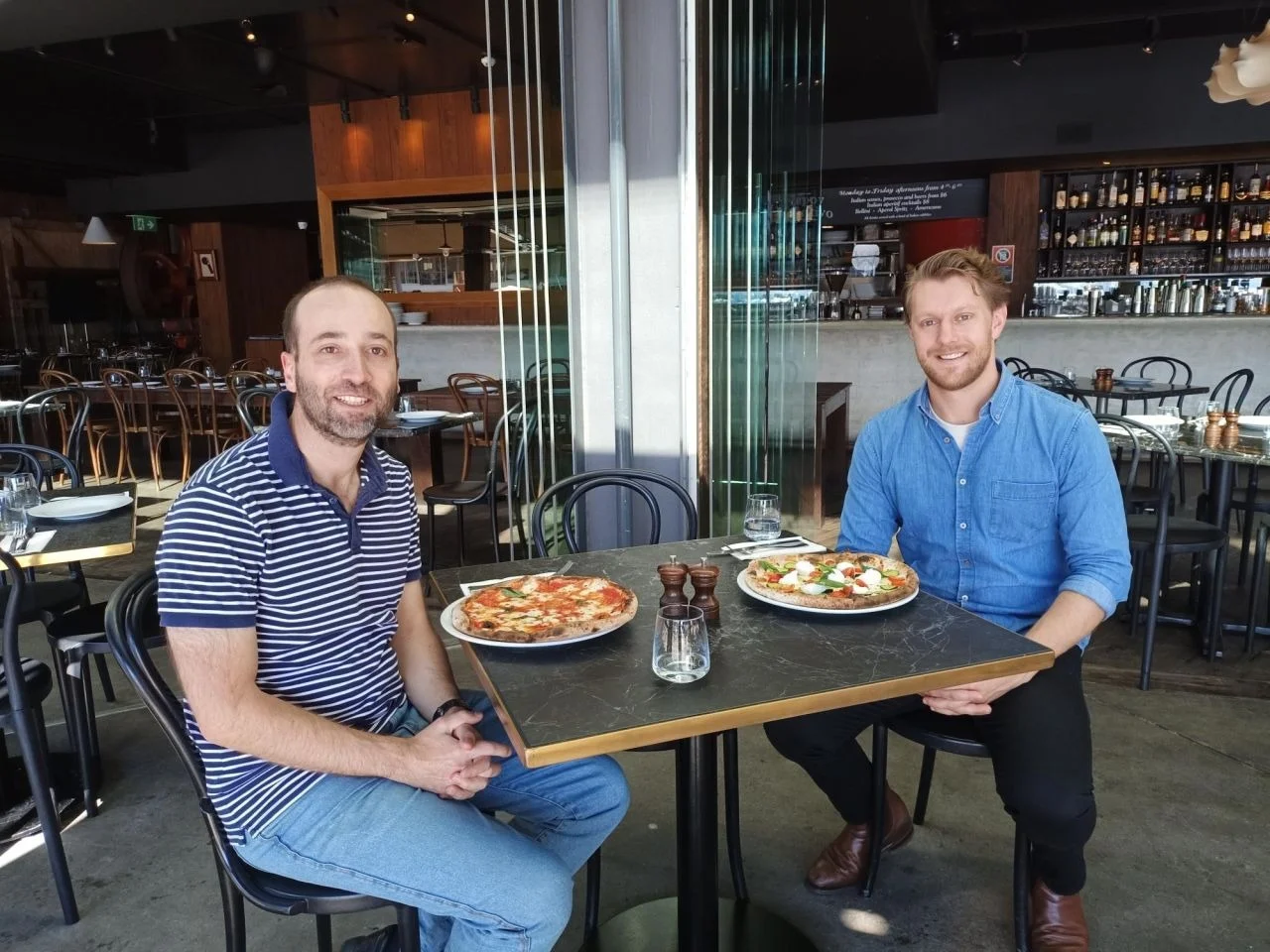
To improve my social skills, build a network and understand how relationships shape opportunity, I set myself a challenge: to have lunch with 500 strangers.

Over six years, I reached out to people from a wide range of professions and backgrounds and invited them to meet for a one-on-one conversation.

What began as a personal experiment became an education in human behaviour.

Again and again, I observed the same pattern.

The people who created opportunities were rarely the most talented people in the room.

They were often the people most willing to initiate. To reach out. To ask questions. To follow up. To explore possibilities.

I also noticed something else.

Many capable people were holding themselves back. Not because they lacked intelligence or ambition. Because they hesitated.

That willingness to act is what I call social courage.

And it’s one of the most important skills we can develop.

Frequently Asked Questions

Social courage is the willingness to act in situations where there's a risk of judgement, rejection or discomfort. It includes behaviours such as starting conversations, speaking up, asking questions, following up and putting yourself forward. While these moments often seem insignificant, they have a profound impact on our relationships, careers and opportunities. Social courage is the bridge between knowing what to do and actually doing it.

Many people believe confidence comes before action. In reality, it's often the other way around. Social courage is choosing to act despite uncertainty, while confidence is something that usually develops afterwards. The people who appear confident today often became that way because they repeatedly acted before they felt ready. Courage creates confidence, not the reverse.

Charisma is a personality trait that makes some people naturally engaging or influential. Social courage is a behaviour. You don't need to be outgoing, entertaining or persuasive to demonstrate social courage. You simply need to be willing to act when discomfort appears. Many highly charismatic people avoid difficult conversations, while many quiet people display remarkable social courage every day.

Extroversion describes where people tend to draw their energy. Social courage describes how they behave when faced with social discomfort. Introverts can be exceptionally socially courageous, just as extroverts can avoid challenging conversations or opportunities. Social courage isn't about becoming more outgoing – it's about becoming more willing to take action when it matters.
Most people don't hesitate because they lack ability. They hesitate because they're worried about how they'll be perceived. They fear rejection, embarrassment or getting things wrong. These concerns are deeply human, but they often cause people to delay action. Over time, those small moments of hesitation accumulate, quietly shaping careers, relationships and opportunities.
Technology has made communication easier, but genuine human connection harder. At the same time, artificial intelligence is automating more technical tasks, increasing the value of distinctly human skills such as trust, initiative, communication and relationship-building. Social courage helps people develop those skills by encouraging them to act despite uncertainty and engage more fully with the people around them.
Absolutely. Social courage has nothing to do with personality type. Many introverts naturally prefer smaller groups or quieter environments, but they can still become highly effective at starting conversations, building relationships and taking initiative. In fact, Nick's own journey from reserved introvert to someone who had lunch with 500 strangers demonstrates that social courage is a skill anyone can develop.
Confidence grows through experience. Every time you start a conversation, ask a question or take a social risk, you gather evidence that you're capable of handling uncertainty. Those experiences gradually reshape the way you see yourself. That's why confidence is best viewed as the outcome of repeated courageous action, rather than something you need before you begin.
The exposure principle is the idea that repeated exposure reduces discomfort. The first difficult conversation, networking event or presentation may feel intimidating, but each repetition makes the next one easier. This is how confidence develops in almost every area of life. Social courage is strengthened in exactly the same way – through repeated practice rather than waiting to feel ready.
Social courage appears in everyday workplace moments. It might be speaking up in a meeting, giving honest feedback, introducing yourself to a colleague, following up with a prospective client, asking for help, proposing a new idea or having a difficult conversation. These actions rarely make headlines, but over time they become the behaviours that shape leadership, performance and opportunity.

Bring social courage to your
organisation

Whether you’re looking for a keynote speaker, corporate training or coaching, I help organisations build social courage so their people communicate more effectively, take greater initiative and create more opportunities.

Let's Start the Conversation

Whether you’re planning a conference, leadership program or corporate workshop, I’d love to learn more about your goals and explore how we can work together.

Australia’s social courage expert. Helping people act before they feel ready.

Contact

Address

Sydney, Australia.

Office Hours

Monday - Friday 08 AM - 05 PM

Nick Bendel © 2026. All rights reserved.